How to Identify and Fix Common Household Plumbing Leaks
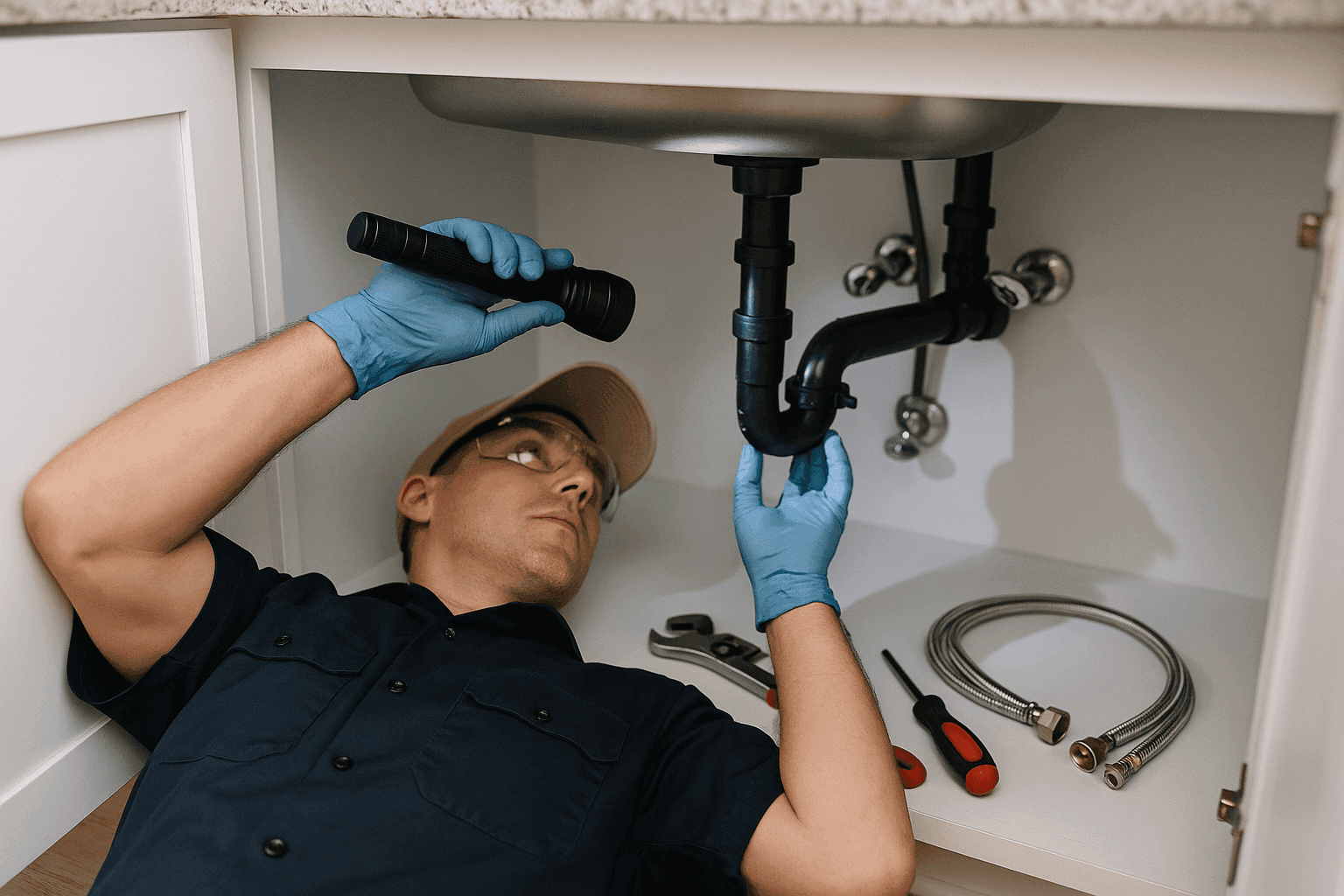
Plumbing leaks don’t announce themselves with a parade. They sneak in quietly—sometimes as a drip, sometimes as a mysterious stain. Before you know it, you’re dealing with water damage, mold, and a bill that makes your eyes widen.
At A+ Plumbing, we know how overwhelming it feels to spot that first sign of trouble. You want to fix it fast, but you also want to do it right. Let’s walk through how to spot, diagnose, and address the most common leaks—so you can keep your home or business dry and safe.
Why Plumbing Leaks Happen—and Why They Matter
Leaky pipes and fixtures are like silent thieves. They steal your water, your money, and sometimes your peace of mind. A single dripping faucet can waste hundreds of gallons a year, according to the U.S. Environmental Protection Agency (EPA). Left unchecked, even small leaks can cause mold, rot, and serious structural issues.
Leaks aren’t just a nuisance. They can damage floors, walls, and ceilings. They can even affect your health if mold starts to grow. And if you own a business, a water leak can disrupt operations or create hazards for customers and staff.
The Most Common Household Plumbing Leaks 🚰
Some leaks are easy to spot. Others hide behind walls or under floors. Here are the usual suspects:
- Dripping faucets: That steady tap-tap-tap wastes water and can signal worn washers or seals.
- Running toilets: If your toilet keeps filling or makes noise long after flushing, water is escaping from the tank.
- Leaky pipes: Look for puddles under sinks, damp spots on drywall, or rust on pipes.
- Slab leaks: These are hidden under concrete floors. Signs include warm spots on the floor or unexplained spikes in your water bill.
- Appliance leaks: Dishwashers, water heaters, and washing machines can develop slow leaks.
- Fixture leaks: Sinks, showers, and tubs may leak at the drain or supply lines.
Quick Safety Checklist Before You Start
Before you grab a wrench, make sure you’re working safely:
- Turn off the water supply to the affected area.
- Unplug electrical appliances near the leak.
- Wear gloves and eye protection if you’re handling pipes or chemicals.
- If you smell gas, leave the area immediately and call emergency services.
- Keep children and pets away from the work zone.
How to Spot a Leak: Simple Diagnostic Steps
Some leaks scream for attention. Others whisper. Here’s how to listen:
1. Visual Inspection
- Check under sinks, behind toilets, and around appliances for puddles or wet spots.
- Look for water stains on ceilings, walls, or floors.
- Watch for bubbling paint or peeling wallpaper.
2. Water Meter Test
- Turn off all water inside and outside.
- Check your water meter. Wait two hours. If the reading changes, you likely have a hidden leak.
3. Listen for Sounds
- At night, when the house is quiet, listen for hissing, dripping, or running water.
- Use your ears near toilets, sinks, and walls.
4. Check for Mold or Musty Smells
- Persistent damp, musty odors can signal hidden leaks or trapped moisture.
5. Monitor Your Water Bill
- A sudden unexplained increase is often a red flag for leaks.
DIY Fixes for Minor Plumbing Leaks
Some leaks are as simple as tightening a loose bolt. Others need a plumber’s touch. Here’s what you can try:
Dripping Faucets
- Turn off the water supply under the sink.
- Unscrew the handle and replace the washer or cartridge.
- Reassemble and turn the water back on.
Running Toilets
- Remove the tank lid.
- Check the flapper—if it’s worn or doesn’t seal, replace it.
- Adjust the float to stop water from overflowing.
Loose Pipe Fittings
- Use a wrench to gently tighten loose nuts or couplings.
- Don’t overtighten—this can crack pipes or strip threads.
Small Pipe Leaks
- For temporary fixes, wrap the leak with plumber’s tape or use a pipe repair clamp.
- This buys you time until a professional can make a permanent repair.
When to Call a Professional Plumber
Some leaks are like icebergs—what you see is only part of the problem. Call A+ Plumbing if:
- You find water stains but can’t locate the source.
- Pipes are leaking inside walls or ceilings.
- You suspect a slab leak (warm spots on floors, cracks, or high water bills).
- There’s persistent mold or mildew.
- DIY fixes don’t work or leaks return quickly.
- You notice corrosion or rust on pipes.
Licensed plumbers use specialized tools like moisture meters, infrared cameras, and acoustic leak detectors to pinpoint trouble spots—without tearing up your home.
What to Expect When a Plumber Arrives
A+ Plumbing’s team arrives ready to diagnose and solve the problem efficiently. Here’s what usually happens:
- Assessment: We’ll ask about symptoms, inspect visible plumbing, and may use leak detection equipment.
- Testing: Pressure tests or meter checks help confirm the leak’s location.
- Repair: Depending on the issue, repairs may include replacing washers, resealing joints, or swapping out damaged pipe sections.
- Cleanup: We’ll ensure the area is safe and clean before we leave.
- Prevention: We’ll offer tips to help you avoid future leaks—because prevention is always better than cure.
Preventing Plumbing Leaks: Maintenance Tips 🛠️
An ounce of prevention is worth a pound of mop buckets. Keep leaks at bay with these habits:
- Inspect under sinks and around appliances monthly for signs of moisture.
- Replace old hoses on washing machines and dishwashers every 5–7 years.
- Insulate exposed pipes before winter to prevent freezing and bursting.
- Don’t use chemical drain cleaners—they can corrode pipes over time.
- Schedule annual plumbing inspections, especially in older homes or buildings.
- Test your water pressure. High pressure can stress pipes and fixtures.
Costs and Time Factors: What to Expect
Plumbing repairs range from quick fixes to more involved projects. Here’s what can affect the cost and timeline:
- Type of leak: Fixing a faucet or toilet leak is usually fast and affordable. Hidden or slab leaks require more time and expertise.
- Location: Leaks behind walls, under floors, or in hard-to-reach places take longer to access and repair.
- Materials needed: Replacing pipes, fittings, or fixtures may add to the cost.
- Extent of damage: Water damage restoration or mold remediation can increase the total expense.
Most minor leaks can be fixed in under an hour. More complex repairs may take several hours or require follow-up visits.
When Is It an Emergency? ⏰
Some leaks can’t wait. Here’s when to call for emergency plumbing:
- Water is gushing uncontrollably (burst pipes, major appliance failure).
- You see water pooling near electrical outlets or appliances.
- There’s evidence of sewage backup or contaminated water.
- Gas line leaks—always a reason to leave the building and call for help immediately.
- Any leak during freezing weather, as it can quickly escalate and cause major damage.
Don’t try to tough it out—delaying can lead to thousands in repairs and safety risks.
Frequently Asked Questions
How do I know if a leak is inside my walls?
Look for unexplained stains, bubbling paint, or musty odors. If you suspect a hidden leak, it’s best to contact a licensed plumber with leak detection tools.
Is it safe to use DIY sealants or tape for leaks?
Temporary fixes like plumber’s tape can buy you time, but they’re not permanent. Always follow up with a professional repair to avoid water damage.
Can a small leak really cause mold?
Yes. Even slow drips create enough moisture for mold to grow, especially in hidden areas. Mold can spread quickly and impact air quality.
How often should I check for leaks?
Inspect visible plumbing monthly and after any major weather event. Schedule annual professional inspections for peace of mind.
Special Considerations: Seasonal and Structural Factors
Cold weather is a big culprit. Pipes can freeze and burst, especially in unheated spaces like basements or crawl spaces. Insulate pipes before winter, and let faucets drip slightly during deep freezes to keep water moving.
Older buildings may have aging pipes that are more likely to develop leaks. If your home or business is more than 30 years old, consider a plumbing inspection to check for corrosion or outdated materials.
Backflow prevention devices and regular testing are also important—especially for small businesses with commercial kitchens or equipment. This helps protect your water supply from contamination, as outlined by the Occupational Safety and Health Administration (OSHA) and local plumbing codes.
Plumbing leaks never wait for a convenient time. If you spot a leak—or just want peace of mind—don’t hesitate. Call A+ Plumbing now — or reach us anytime at 888-568-9182 .