How to Maintain Your Home Plumbing System Year-Round
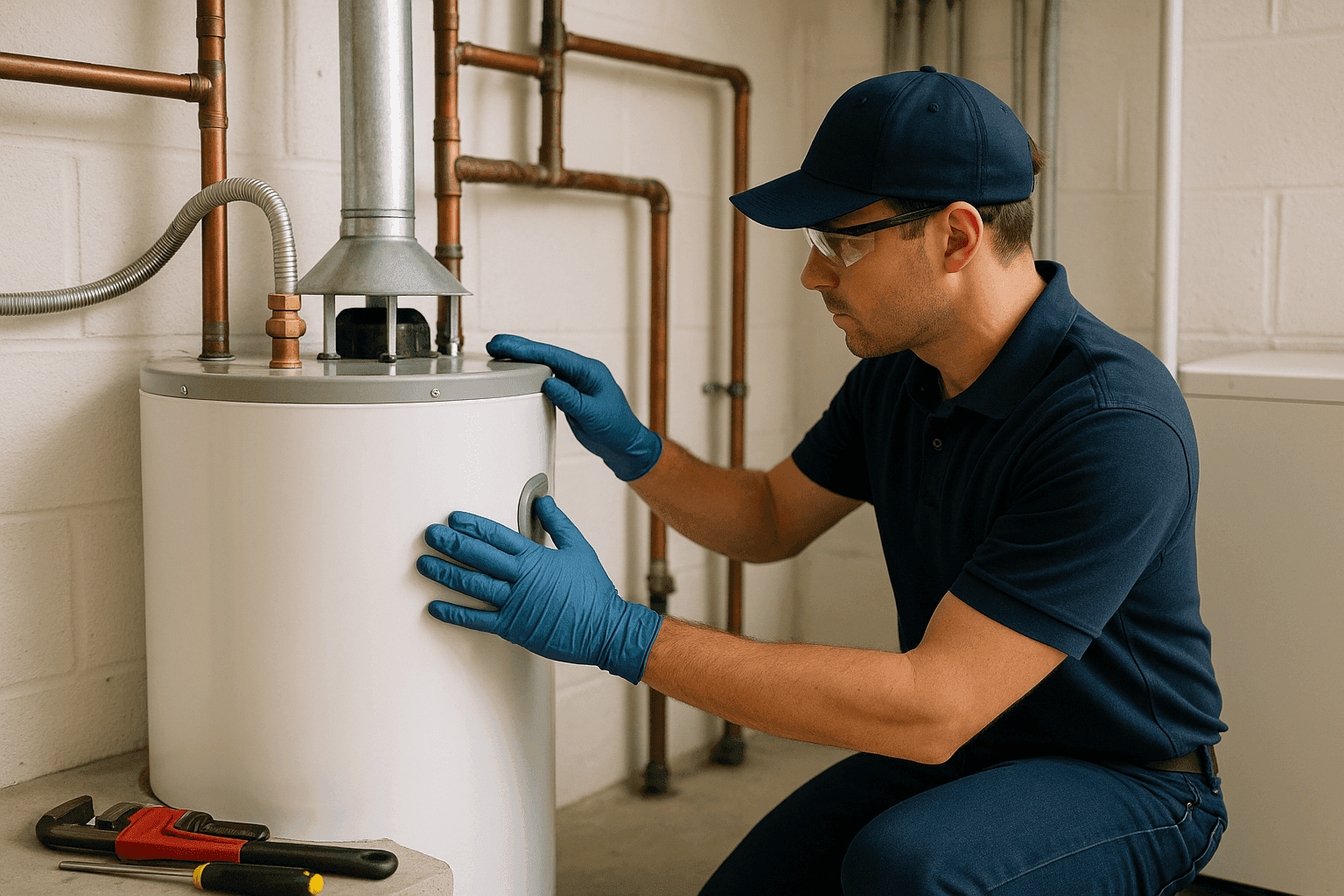
Your plumbing is the silent workhorse of your home or business. Pipes, drains, and fixtures quietly keep everything flowing—until something goes wrong. A burst pipe, a clogged drain, or a leaking water heater can turn a regular day upside down.
At A+ Plumbing, we know that a little attention now saves a flood of trouble later. Regular plumbing maintenance isn’t just about avoiding emergencies. It’s about protecting your investment, saving water, and keeping your space safe and comfortable. Let’s walk through the year together, season by season, with simple steps that keep your plumbing in top shape.
Why Regular Plumbing Care Matters
Think of your plumbing like the veins and arteries of your building. When they’re healthy, everything works as it should. But ignore a small leak or a slow drain, and you might face water damage, mold, or even costly emergency plumbing calls.
Routine care catches problems early. It also helps you spot warning signs—like strange noises, bad smells, or water stains—before they become disasters. According to the International Association of Certified Home Inspectors (InterNACHI), regular inspections are key to preventing major failures.
Quick Safety Checklist 🛠️
Before you start any plumbing checks or fixes, keep safety first:
- Turn off water at the main shutoff valve for major repairs.
- Unplug appliances like water heaters before inspecting.
- Wear gloves to protect your hands from chemicals or sharp edges.
- Check for gas smells—if you detect any, leave immediately and call a professional.
- Avoid standing water near electrical outlets or appliances.
- Know your limits—some jobs need a licensed plumber.
Seasonal Plumbing Maintenance Guide
Just like you change your wardrobe with the seasons, your plumbing needs a little different care throughout the year. Here’s what to look for:
Spring: Wake Up Your Plumbing
After winter’s chill, spring is the perfect time to give your plumbing a fresh start.
- Check for leaks under sinks, around toilets, and near appliances.
- Inspect outdoor faucets and hoses for cracks or leaks caused by freezing.
- Clean out gutters and downspouts to prevent water backup.
- Test sump pumps to make sure they’re ready for spring rains.
- Flush your water heater to remove sediment (follow manufacturer guidelines).
Spring is also a great time to schedule backflow testing, especially if you have irrigation systems. The Environmental Protection Agency (EPA) recommends annual backflow prevention checks to protect your water supply.
Summer: Watch for Heavy Use
Summer means more showers, laundry, and outdoor activities. Your plumbing works overtime.
- Monitor water pressure—sudden drops can signal hidden leaks.
- Clear slow drains before they turn into clogs.
- Inspect toilets for running water or weak flushes.
- Check garbage disposals for jams or odors.
- Look for signs of sewer line trouble—like gurgling drains or patches of lush grass.
Small businesses with kitchens or public restrooms should consider preventative drain cleaning to avoid summer slowdowns.
Fall: Prepare for Cooler Weather
Before the temperature drops, get your plumbing ready for winter.
- Insulate exposed pipes in basements, crawl spaces, and garages.
- Disconnect and drain outdoor hoses to prevent freezing.
- Check water heater settings—120°F is usually ideal for efficiency and safety.
- Inspect boiler systems if you have them.
- Test shutoff valves to make sure they work smoothly.
Fall is also the time to schedule a professional inspection if you’ve noticed any odd noises, leaks, or water pressure changes.
Winter: Defend Against the Freeze ❄️
Cold weather is tough on pipes. A frozen pipe can burst and cause major water damage.
- Keep cabinets open under sinks to let warm air circulate.
- Let faucets drip during extreme cold to prevent freezing.
- Seal gaps and cracks near pipes with caulk or insulation.
- Know where your main shutoff valve is—and make sure everyone in your home does too.
- Check for condensation or frost on pipes, which can signal trouble.
If you notice a sudden drop in water flow or hear banging pipes, call for emergency plumbing help right away.
DIY or Call a Pro?
Some plumbing tasks are safe for handy homeowners. Others need a licensed professional.
DIY-Friendly Tasks:
- Clearing hair from shower drains
- Replacing faucet washers
- Tightening loose connections
- Flushing your water heater (if you follow instructions)
Call a Pro For:
- Persistent leaks or water stains
- Sewer line backups
- Gas line installation or repairs
- Water heater repair or installation
- Any work involving the main water supply
Remember, even a small mistake can lead to big headaches. The Uniform Plumbing Code (UPC) requires licensed professionals for many repairs and installations.
What Pros Do On Arrival
When a plumber from A+ Plumbing arrives, here’s what you can expect:
- Thorough inspection: We check not just the problem spot, but related fixtures and pipes.
- Clear diagnosis: We explain what’s wrong and what needs to be done.
- Safety checks: Gas lines, backflow preventers, and water heaters get special attention.
- Code compliance: All repairs meet current safety and building codes.
- Cleanup: We leave your space as tidy as we found it.
Prevention & Maintenance: Your Year-Round Checklist
Stay ahead of trouble with these habits:
- Check for leaks monthly: Look under sinks, behind toilets, and around appliances.
- Clean drains regularly: Use strainers and avoid pouring grease down sinks.
- Test water pressure: High pressure can strain pipes; low pressure can signal leaks.
- Flush water heaters annually: This removes sediment and extends lifespan.
- Schedule annual inspections: A licensed plumber can spot hidden issues.
The American Society of Home Inspectors (ASHI) recommends annual plumbing inspections for homeowners and businesses.
Costs & Time Factors
Plumbing maintenance doesn’t have to break the bank—or eat up your weekend.
- Simple checks (like looking for leaks or cleaning drains) take minutes and cost little.
- Professional inspections usually take 1–2 hours.
- Repairs can vary widely. Fixing a leaky faucet is quick; repiping a home takes longer.
- Emergency plumbing services are faster, but may cost more—especially after hours.
Think of maintenance as an insurance policy. A small investment now can prevent expensive repairs later.
When It’s an Emergency 🚨
Not every plumbing problem can wait.
Call for emergency plumbing if you notice:
- Sudden loss of water
- Burst pipes or flooding
- Sewer backups (bad smells, gurgling toilets)
- Gas smells near appliances or lines
- No hot water in the middle of winter
Fast action can minimize damage and keep your family or business safe.
FAQ: Plumbing Maintenance
How often should I have my plumbing inspected?
Most experts recommend a full inspection once a year. If you have an older building or frequent issues, consider twice a year.
Can I use chemical drain cleaners?
It’s best to avoid them. They can damage pipes and harm the environment. Try a plunger or a drain snake, or call a plumber for stubborn clogs.
What are signs I need a plumber right away?
Water stains, mold, sudden drops in water pressure, or any sign of leaking or flooding should prompt a call to a professional.
How can I prevent frozen pipes in winter?
Insulate pipes, keep heat on, and let faucets drip during deep freezes. Know where your shutoff valve is in case of a burst.
Special Considerations for Homeowners and Small Business Owners
- Older plumbing: Watch for corrosion, discoloration, or frequent leaks. Repiping may be needed.
- Water quality: Consider installing a water filtration system if you notice odors or taste issues.
- Backflow prevention: Essential for properties with irrigation or fire sprinklers. Annual testing is a smart move.
- Commercial kitchens/restrooms: Schedule regular drain cleaning and backflow testing to prevent business interruptions.
Plumbing codes and safety guidelines exist for a reason. Always hire licensed professionals for repairs and installations, especially for gas lines or sewer work.
Call A+ Plumbing now — or reach us anytime at 888-568-9182 .