Seasonal Plumbing Maintenance: Essential Tips to Protect Your Home Year-Round
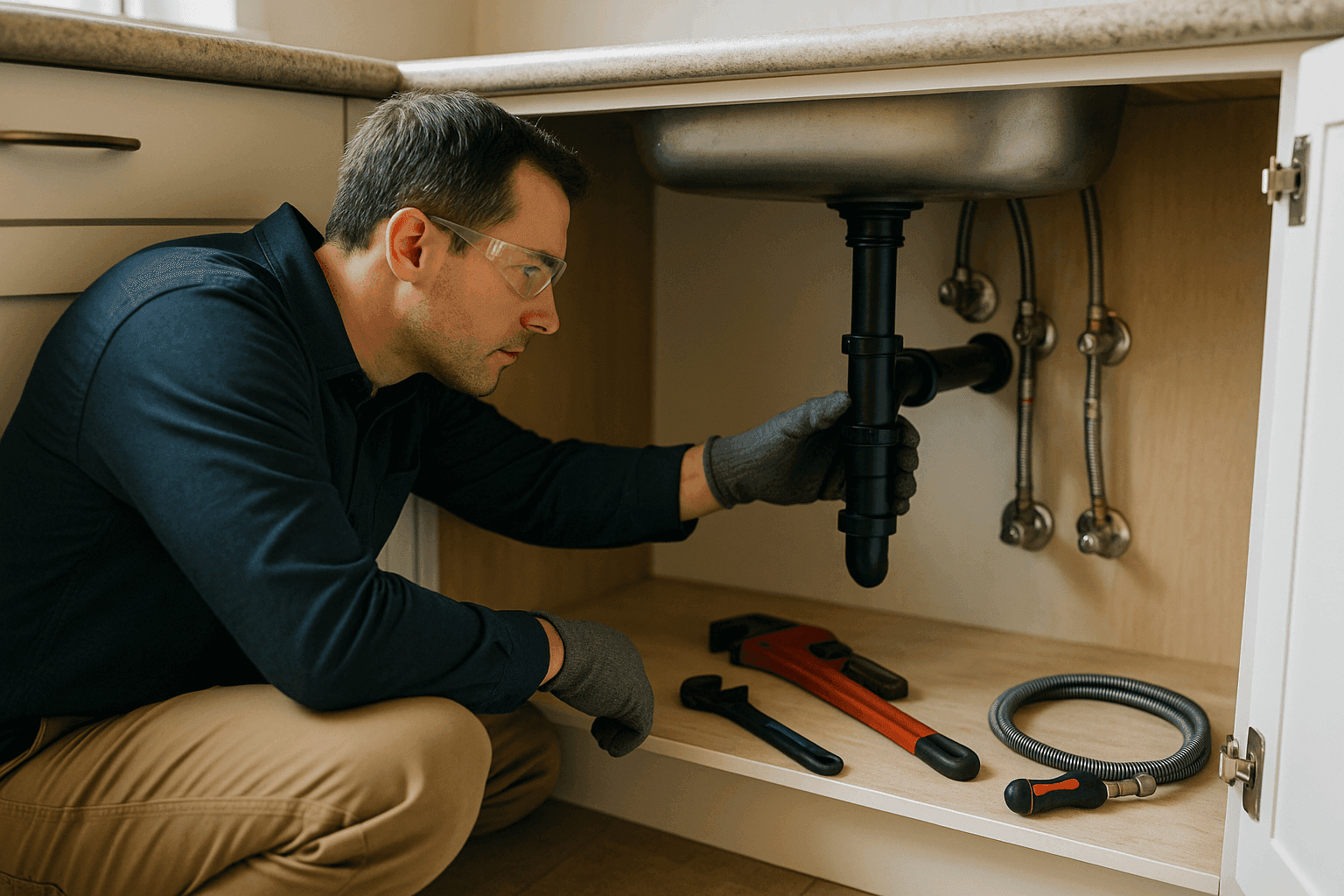
Is your home’s plumbing ready for the seasons ahead? One small leak can turn into a flood of trouble. A+ Plumbing knows that a little maintenance goes a long way—saving you money, time, and stress.
Plumbing may be hidden behind walls and under floors, but it’s the lifeblood of your home or business. Neglecting it is like ignoring the warning lights on your car’s dashboard. Let’s break down exactly what you need to do, season by season, to keep everything running smoothly.
Why Seasonal Plumbing Maintenance Matters
Think of your plumbing like a marathon runner. It needs year-round care to perform at its best, not just a quick fix when something breaks. Pipes, drains, and fixtures face different challenges as temperatures rise and fall. Ignoring them can lead to burst pipes, flooded basements, or a surprise cold shower on a winter morning.
Routine checks and small repairs can prevent bigger headaches—like emergency plumbing calls in the middle of the night. According to the International Association of Plumbing and Mechanical Officials (IAPMO), regular inspections help extend the life of your plumbing and keep your water safe.
Quick Safety Checklist 🛠️
Before diving in each season, keep these safety basics in mind:
- Turn off water supply before working on pipes or fixtures.
- Wear gloves and safety goggles when handling chemicals or tools.
- Know where your main shutoff valve is—this could save you during a leak.
- Check for gas odors if working near gas lines; leave immediately if you smell gas.
- Never mix drain cleaners or use open flames near plumbing.
- Keep a flashlight handy for dark spaces under sinks or in basements.
Spring Plumbing Maintenance
Spring is all about renewal. As the frost thaws, your pipes and fixtures may reveal hidden winter damage.
Key Tasks for Spring
- Inspect exposed pipes for cracks, leaks, or rust.
- Test outdoor faucets and hose bibs for leaks caused by freezing.
- Clean gutters and downspouts to prevent water from backing up near your foundation.
- Check sump pump operation—pour water into the pit to see if it kicks on.
- Look for slow drains in kitchens and bathrooms. Clean out debris before it becomes a clog.
Emergency Prevention
- Address any leaks right away—small drips can quickly worsen.
- Fix running toilets to avoid wasting water and higher bills.
- Schedule backflow testing to protect your water supply from contamination.
Summer Plumbing Maintenance
Summer brings heavy rain, higher water use, and sometimes, unexpected storms.
Key Tasks for Summer
- Inspect sewer lines—tree roots grow fast in warm months and can invade pipes.
- Clean garbage disposals by running cold water and a few ice cubes through them.
- Check for leaks around washing machines, especially hoses that may have cracked.
- Flush your water heater to clear out sediment from winter use.
- Inspect outdoor sprinklers and irrigation systems for leaks or broken heads.
Emergency Prevention
- Avoid pouring grease down kitchen drains—it hardens and causes clogs.
- Keep an eye on water pressure; sudden drops can mean hidden leaks.
- After a big storm, check basement drains and sump pumps.
Fall Plumbing Maintenance 🍂
Fall is the time to prepare for dropping temperatures and prevent winter disasters.
Key Tasks for Fall
- Drain and store garden hoses—left attached, they can freeze and burst pipes.
- Insulate exposed pipes in garages, crawl spaces, and attics.
- Check water heater settings—120°F is efficient and safe.
- Examine toilet tanks and bowls for cracks or leaks.
- Schedule a professional sewer line inspection if you notice frequent clogs.
Emergency Prevention
- Seal gaps around doors and windows to keep cold air away from pipes.
- Test your sump pump again before heavy autumn rains.
- Clean out drains and gutters to prevent blockages from falling leaves.
Winter Plumbing Maintenance ❄️
Winter is the harshest season for your plumbing. A frozen pipe can burst and flood your home in minutes.
Key Tasks for Winter
- Let faucets drip on extra-cold nights to prevent freezing.
- Open cabinet doors under sinks to let warm air circulate around pipes.
- Check boiler and water heater function—schedule repairs if you notice odd noises or slow heating.
- Monitor water pressure—a sudden drop could mean a frozen or burst pipe.
- Keep your home heated even if you’re away.
Emergency Prevention
- Know how to shut off your main water valve quickly.
- Wrap vulnerable pipes with foam insulation or heat tape.
- Never use open flames to thaw frozen pipes—use a hair dryer or call a plumber.
DIY vs. Call a Pro
Some tasks are simple—like tightening a loose faucet or cleaning a drain trap. Others, like detecting hidden leaks or repairing gas lines, are best left to professionals.
DIY is usually safe for:
- Minor clogs
- Cleaning faucet aerators
- Replacing showerheads
Call a pro for:
- Persistent leaks
- Gas line issues
- Water heater repairs
- Sewer line problems
If you’re ever unsure, it’s safer to bring in an experienced technician. Plumbing codes and safety standards (like those from the Uniform Plumbing Code) exist for a reason.
What Pros Do On Arrival
When you call A+ Plumbing for an emergency or seasonal checkup, here’s what you can expect:
- Thorough inspection: We check pipes, fixtures, and appliances for leaks, corrosion, and wear.
- Water pressure testing: Ensures your system isn’t under stress.
- Drain camera inspection: Reveals hidden blockages or pipe damage.
- Safety checks: We inspect for gas leaks, backflow risks, and proper venting.
- Clear explanations: We’ll walk you through any issues found and recommend solutions.
Prevention & Maintenance: The Year-Round Game Plan
Consistency is key. Here’s how to keep your plumbing healthy all year:
- Watch for warning signs: Drips, stains, slow drains, or odd noises.
- Schedule annual inspections: A professional eye can catch problems early.
- Clean drains regularly: Avoid chemical cleaners—try a mix of baking soda and vinegar.
- Test water pressure: Too high or too low can both cause trouble.
- Upgrade old fixtures: Modern, water-efficient models save money and reduce wear.
The Environmental Protection Agency recommends regular leak checks to prevent water waste and damage.
Costs & Time Factors
Plumbing maintenance saves money in the long run, but what should you expect?
- DIY tasks: Often just the cost of supplies—maybe an hour or two of your time.
- Professional inspections: Usually take 1–2 hours, depending on your home’s size.
- Repairs: Small fixes may cost less than a dinner out; bigger issues (like pipe replacement) take longer and cost more.
Ignoring maintenance can lead to emergency plumbing bills—often much higher than routine care.
When It’s an Emergency
Some signs mean you shouldn’t wait:
- Burst pipes: Water spraying or flooding—shut off your main valve and call immediately.
- No water: If all taps are dry, something major is wrong.
- Gas odor: Leave the area and call for help.
- Sewage backup: Bad smells, gurgling drains, or water coming up where it shouldn’t.
Fast action can minimize damage. Don’t hesitate to reach out for emergency plumbing help.
FAQ
How often should I check my plumbing?
Check visible pipes and fixtures every season. Schedule a professional inspection at least once a year.
What’s the best way to avoid frozen pipes?
Insulate pipes in unheated spaces, keep your home warm, and let faucets drip during deep freezes.
Can I use chemical drain cleaners?
Avoid them when possible. They can damage pipes and harm the environment. Try a plunger or natural solutions first.
When do I need a plumber for a leak?
If you can’t find the source, the leak keeps coming back, or it’s near electrical wiring or gas lines—call a professional.
Special Considerations for Homeowners and Small Business Owners
- Older homes: Pipes may be more prone to leaks or corrosion—schedule inspections more often.
- Businesses: Check restroom and kitchen plumbing regularly to avoid customer complaints.
- Vacation properties: Shut off water supply and drain pipes if the building will be empty during winter.
Regular maintenance isn’t just about avoiding emergencies. It’s about protecting your investment, your comfort, and your peace of mind.
Call A+ Plumbing now — or reach us anytime at 888-568-9182 .