The Ultimate Guide to Plumbing Safety Checks for Homeowners and Small Businesses
Plumbing issues don’t wait for a convenient time. A slow leak can become a flood overnight. A faint gas smell can turn serious in minutes. Whether you’re a homeowner or running a small business, you need to know your plumbing is safe.
At A+ Plumbing, we’ve seen firsthand how regular safety checks can prevent headaches, save money, and—most importantly—keep people safe. Let’s dive into the essential steps every property owner should take.
Why Plumbing Safety Matters 🚨
Imagine your plumbing system as the veins and arteries of your building. If something goes wrong, the whole body suffers. Plumbing safety isn’t just about avoiding a mess—it's about protecting your health, your property, and your peace of mind.
The risks are real:
- Gas leaks: Invisible, odorless, and dangerous. Even a small leak can lead to fire or carbon monoxide poisoning.
- Water contamination: Backflow can allow dirty water into your clean supply, putting everyone at risk.
- Hidden leaks: Mold, structural damage, and sky-high water bills can all start with a drip behind a wall.
- Pressure problems: Low or high water pressure can signal failing pipes or faulty valves.
The Occupational Safety and Health Administration (OSHA) and the Uniform Plumbing Code both stress the importance of regular inspections and maintenance. Ignoring safety checks is like driving a car with the check engine light on—sooner or later, you’ll pay the price.
Key Safety Checks You Shouldn’t Skip
You don’t need a toolbox to spot the warning signs. But some checks are best left to professionals. Here are the most critical safety steps for every property owner:
Gas Line Inspections
Gas lines are like silent sentinels. Most of the time, they do their job unnoticed. But when something’s off, the stakes are high.
- What to look for: Smell of rotten eggs, hissing sounds, dying plants near gas lines.
- What to do: If you suspect a leak, leave immediately and call for emergency plumbing help.
- Professional check: Annual inspections using gas detectors and pressure testing.
Backflow Prevention Testing
Backflow is when dirty water reverses into your clean supply. Not a risk you want to take.
- What to look for: Changes in water color, taste, or smell.
- What to do: Install and test backflow preventers yearly, as recommended by the Environmental Protection Agency (EPA).
- Professional check: Certified backflow testers use special gauges to ensure your valves work.
Leak Detection
Leaks hide in walls, under floors, or underground. They can be sneaky.
- What to look for: Unexplained water bills, damp spots, mold, or musty smells.
- What to do: Check visible pipes, faucets, and under sinks monthly.
- Professional check: Plumbers use acoustic sensors and infrared cameras to find hidden leaks.
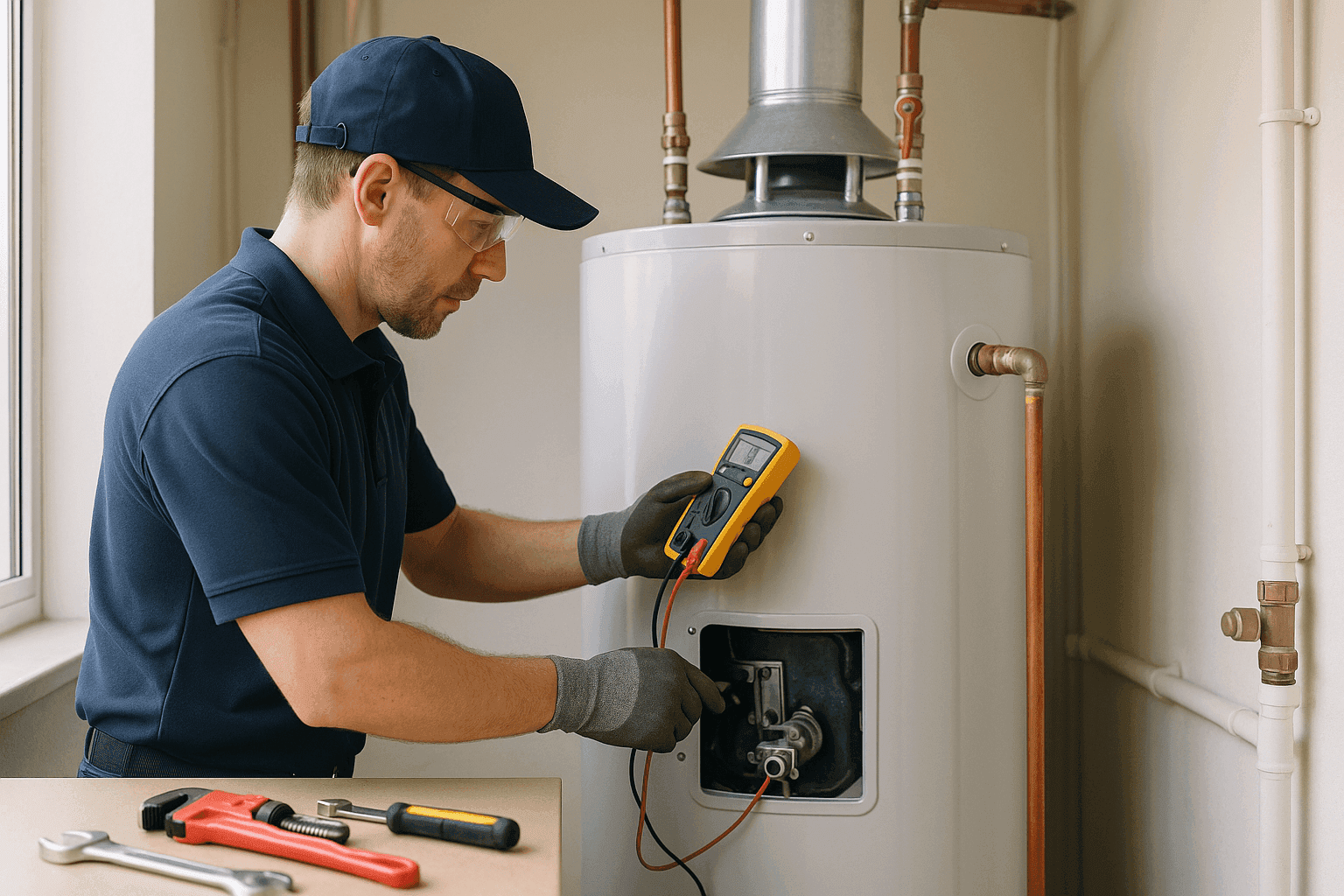
Water Heater Safety
A faulty water heater is more than an inconvenience—it can be a hazard.
- What to look for: Rusty water, popping noises, water pooling around the tank.
- What to do: Check the temperature setting (120°F is safe), test the pressure relief valve annually.
- Professional check: Full inspection for leaks, corrosion, and gas safety.
Seasonal and Emergency Safety Tips 🌧️
Mother Nature doesn’t care about your schedule. Storms, freezes, and sudden failures can catch anyone off guard.
Before a Freeze
- Insulate exposed pipes.
- Disconnect outdoor hoses.
- Let faucets drip on the coldest nights.
Before a Big Storm
- Test sump pumps.
- Clear gutters and downspouts.
- Know how to shut off your main water valve.
During an Emergency
- Turn off water and gas at the main valves.
- Evacuate if you smell gas or see flooding.
- Call emergency plumbing services, not just a handyman.
When to Call a Professional
Some jobs are DIY-friendly. Others are not. Here’s how to tell the difference.
Red Flags That Need a Pro
- Persistent leaks or water stains.
- Any sign of gas smell.
- Water pressure drops or surges.
- Frequent clogs or backups.
- Discolored or foul-smelling water.
Why Professional Inspections Matter
A+ Plumbing technicians follow national safety standards and use specialized equipment. We spot issues you might miss—before they become disasters.
- Expertise: We know the codes and the warning signs.
- Tools: From thermal cameras to gas detectors, we have what’s needed.
- Peace of mind: Regular inspections mean fewer surprises.
Quick Plumbing Safety Checklist
- Test all shut-off valves twice a year.
- Check for leaks under sinks and around appliances.
- Inspect water heater for rust or leaks.
- Make sure backflow preventers are in place and tested.
- Listen for unusual noises in pipes or fixtures.
- Smell for gas near appliances and meters.
- Watch for slow drains or gurgling toilets.
- Review your emergency plumbing plan with everyone in the building.
Practical Tips for Staying Ahead
- Keep a flashlight and wrench near your main shut-off valves.
- Label all water and gas shut-offs clearly.
- Schedule annual plumbing inspections.
- Replace old hoses on washing machines and dishwashers every five years.
- Don’t ignore small drips—they rarely fix themselves.
Industry Standards and Recommendations
The Uniform Plumbing Code, International Association of Plumbing and Mechanical Officials (IAPMO), and EPA all recommend regular plumbing safety checks. Many insurance companies also require proof of backflow testing and gas safety inspections for coverage.
Frequently Asked Questions
How often should I have my plumbing inspected?
Most experts recommend a full inspection at least once a year. High-traffic businesses or older properties may need more frequent checks.
What’s the difference between a plumbing emergency and a regular repair?
Emergencies involve immediate risks to health, safety, or property—like gas leaks, floods, or sewage backups. Regular repairs can wait a day or two.
Can I do my own leak detection?
You can check for obvious leaks, but hidden ones often require professional tools. If you notice a spike in your water bill or see water damage, call a pro.
What should I do if I smell gas?
Leave the building immediately. Don’t use electronics or light switches. Once you’re safe, call emergency plumbing services and your gas utility.
Special Considerations for Homeowners and Small Businesses
Every building is unique. Older homes may have outdated pipes or fixtures. Small businesses often have more complex plumbing needs—think commercial kitchens or restrooms used by dozens of people daily.
- Homeowners: Watch for tree roots in sewer lines and aging water heaters.
- Small businesses: Schedule after-hours inspections to avoid disrupting customers.
- Everyone: Keep records of all inspections and repairs for insurance and resale value.
Call A+ Plumbing now — or reach us anytime at 888-568-9182 .